 fairfits.co
article · dresser size · 6 min read
Tall or wide: which dresser fits a small bedroom?
Two dressers can do roughly the same job and ask completely different things from the room. In a small bedroom, width takes up wall space while depth takes up floor space, so the better shape starts with the wall you can actually give it.
Width is wall currency
A dresser does not have to be large to be in the way. It only has to take the part of the wall something else needs.
That is the argument for going tall. Put the same general storage job into a narrower footprint and the wall starts doing more: the bedroom door can swing beside it, the bed can shift without colliding with it, or a stretch of empty wall can stay empty.
The difference becomes obvious when you place both shapes on the same wall.
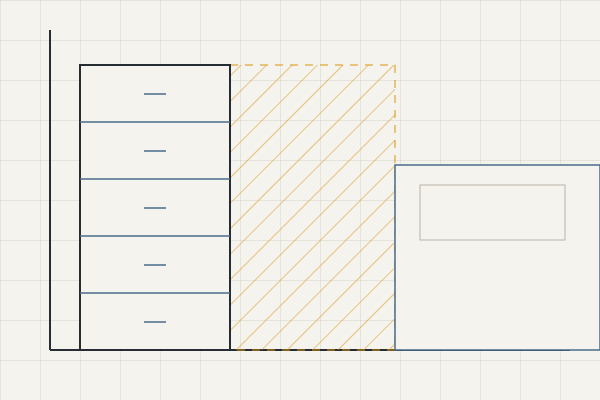
A wider dresser spends more of that same wall. Measure the candidate you are actually considering and subtract its width from the uninterrupted run rather than borrowing another model's footprint.
This is not an argument that narrow always wins. It reminds you that width has a cost, even with generous floor clearance.
Measure the uninterrupted wall first: corner to door casing, corner to window trim, or whatever two things actually stop the dresser. That is the width budget.
Wide works when the room gives you a low wall
Sometimes the best wall in the room is the one a tall dresser cannot use.
A window can turn a long wall into low real estate. So can artwork you want to keep at eye level, a mirror, or simply not stacking another tall object beside a tall bed.
That is where a wide dresser starts earning its footprint. It spreads storage horizontally and keeps the upper wall open.
No standard sill height makes one dresser universally safe beneath a window. Measure from the finished floor to the bottom of the sill or trim, then compare that with the assembled dresser height. Leave enough room so the top doesn't look jammed against the window and nothing on the dresser interferes with the opening.
The useful rule here is not tall versus wide. It is uninterrupted wall versus usable height.
A short wall with generous height favors tall. A long wall with limited height favors wide.
Depth still decides whether either one works
Changing the dresser’s shape does not repeal the floor plan.
Once the piece is against the wall, its depth still subtracts from the passage in front of it. Protect the room’s circulation before choosing between two silhouettes.
For a main route, keep at least 30″ clear. If the dresser faces the foot of the bed, the around-bed requirement matters too.
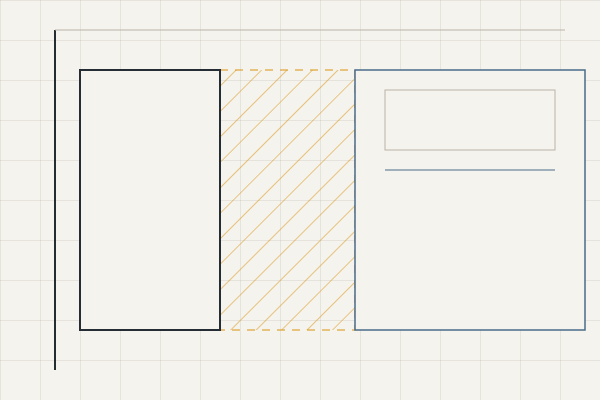
This is where a tall dresser can quietly lose its advantage. Saving wall width doesn't help if the case projects too far into the only route through the room.
A wide dresser can work perfectly well on a long wall without narrowing circulation. Width and depth are different costs. Judge them separately.
The earlier dresser-depth check answers the second one; this page is about the first.
Put each shape where it has an advantage
Tall dressers work well in awkward wall spaces.
Think beside a doorway, in the gap between a corner and a window, or on a wall that also has to carry another piece. Their narrow face lets storage occupy a vertical slot rather than spreading into the rest of the layout.
Wide dressers want the opposite condition: a long, calm run of wall. The wall opposite the foot of the bed is the obvious candidate when the passage stays clear. Under a window can work when the measured height allows it. A broad wall with nothing else asking for space is exactly what a wide dresser knows how to use.
Do not start by deciding which proportion looks better. Tape both footprints onto the wall and floor.
Mark the width along the baseboard. Mark the depth out into the room. Open the door. Walk past the bed. Imagine the drawers open.
One shape will usually start asking the room for compromises sooner than the other.
Choose the wall before the dresser
“Tall or wide?” sounds like a furniture question. In a small bedroom, it is mostly a wall question.
Find the wall with the fewest competing jobs. Measure its uninterrupted width and usable height. Then check the floor in front of it against the walkway or bed clearance the placement needs.
If the wall is short but can go up, tall is the useful shape. If the wall is long but has to stay low, wide has the advantage.
Neither is inherently better for a small bedroom. The better dresser is the one that uses the dimension your room has to spare.